


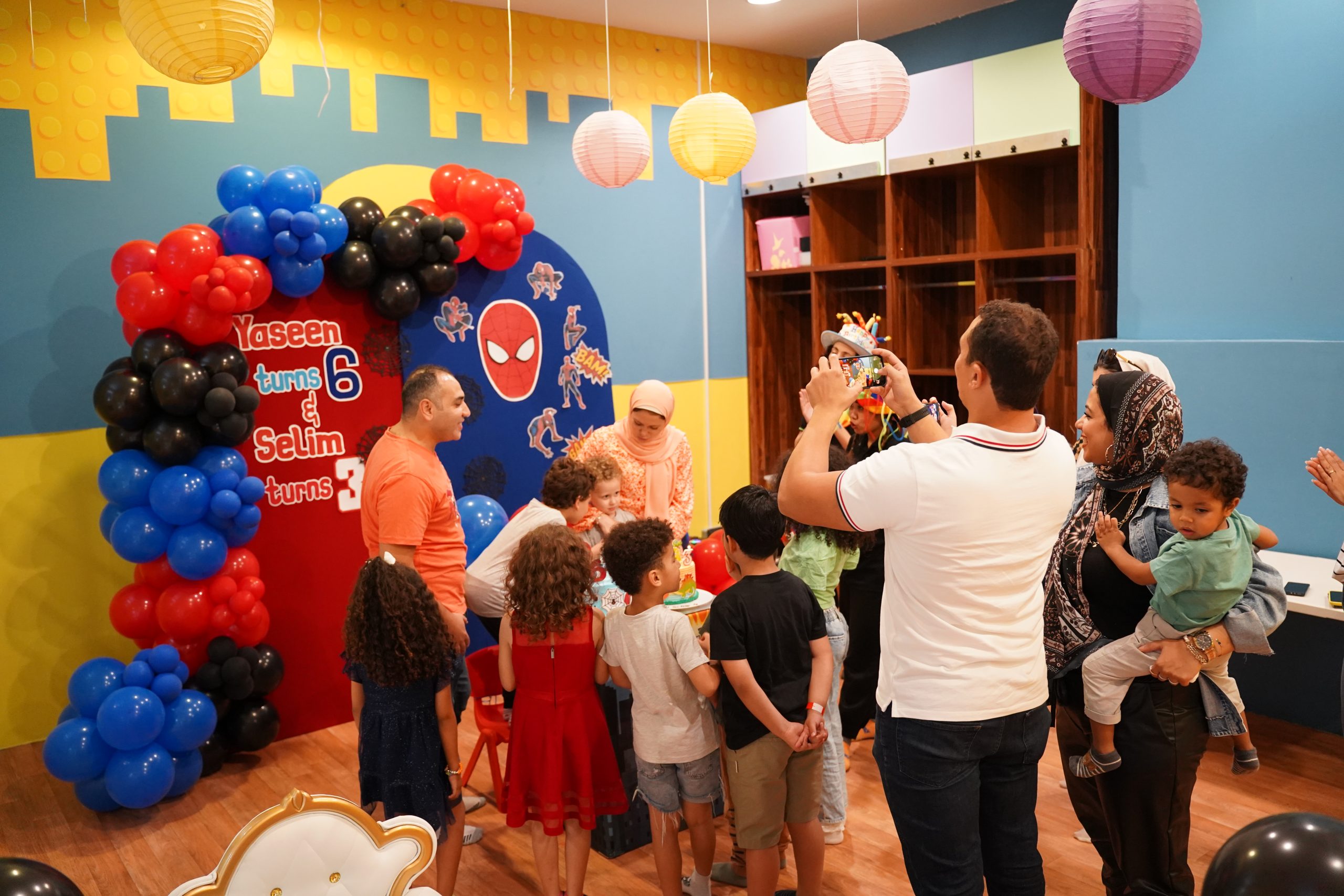
Some of the most confident kids you’ll ever meet aren’t the ones who talk the loudest or know all the answers. They’re the ones who have had small, meaningful moments where they felt trusted, included, and capable. And many of those moments happen during something as simple as a children’s party. When a child helps pick the games, places cups on the table, or welcomes a friend with a nervous smile, they’re doing much more than taking part in a celebration they’re learning how to step into themselves.
I’ve seen countless children grow through these experiences, especially when they’re given the chance to be part of the planning. A party isn’t just balloons and snacks. It becomes a real stage where kids discover new skills, try responsibilities, and understand how to connect with others. What looks like fun on the outside is actually deep emotional and social learning happening quietly in the background.
Hosting a party gives children the space to express themselves freely. It teaches them how to manage excitement, nerves, and the little challenges that come with being around a group of peers. And because it all happens in a joyful environment, kids don’t feel pressured they simply learn by being present, involved, and valued.
Why Hosting Parties Builds Confidence?
Now let’s explore how these small celebrations create big emotional growth for children.
They Feel Seen and Important
There’s something powerful about being celebrated. Even in a small gathering, a child feels noticed and appreciated. This feeling of “I matter here” is a big boost to their self-esteem. It helps them believe they are worthy of friendships, joy, and good experiences. That emotional reassurance stays with them long after the party is over.
Simple Responsibilities Become Confidence Boosters
When a child is given small tasks like handing out snacks, helping organize a game, or greeting guests, they begin to see themselves as capable. These moments might seem small, but for kids, they are huge steps toward independence. Every success, no matter how tiny, builds a layer of confidence they can rely on later in school, sports, or social situations.
They Become More Comfortable Expressing Themselves
A party naturally encourages kids to talk, laugh, share ideas, and interact more freely. Whether they lead a game or simply speak up in front of friends, they learn that their voice matters. This helps them feel more comfortable showing their personality without fear of judgment.
How Parties Strengthen Social Skills?
Once confidence starts forming, it smoothly leads to better social development.
Better Communication Through Real-Life Interaction
Kids talk to each other more during parties than almost any other time. They ask questions, join conversations, read facial expressions, and learn how to respond. These natural interactions strengthen communication and listening skills in a way that lessons never could.
Learning to Share and Take Turns
From waiting for a turn during a game to sharing toys during free play, parties teach fairness in a gentle, real-world way. Kids learn that taking turns helps everyone enjoy the activity. It also encourages patience and understanding.
Teamwork Through Fun Activities
Group games, scavenger hunts, and small challenges encourage teamwork. Kids learn how to collaborate, agree on rules, and reach shared goals. These experiences build cooperation and reduce social anxiety because children feel connected rather than isolated.
Developing Empathy and Emotional Awareness
Parties bring together kids with different personalities. A child quickly learns to recognize when someone feels shy, upset, or left out. Understanding these emotions helps build empathy, kindness, and emotional intelligence.
Problem-Solving in Real Situations
Minor disagreements or confusion about game rules become valuable learning opportunities. Children learn to talk things out, negotiate, and find solutions. This builds resilience and teaches them how to handle conflicts calmly and fairly.
How Can Parents Make Parties Even More Meaningful?
With a little thought, you can turn any celebration into a confidence-building experience.
Give Kids a Role
Let them welcome guests or hand out goodie bags. These responsibilities help them feel trusted and involved.
Include Interactive Activities
Plan games that require teamwork or communication. Group activities help kids bond naturally.
Mix Structured Play with Free Play
A balance of planned moments and open playtime gives kids space to imagine, explore, and interact on their own terms.
Start Small if Needed
If your child feels shy, begin with small gatherings. As their confidence grows, you can expand to larger parties or even organize a themed event or book a fun venue to host kids party in Dubai.
Wrap Up
When children host or take part in parties, they discover pieces of themselves they didn’t know existed. They practice being brave. They learn how to speak up. They understand what friendship feels like. And through laughter, shared cake, and simple games, they grow into more confident and socially aware little humans. A party might last only a few hours, but the impact can shape them for years.
Comments are closed