


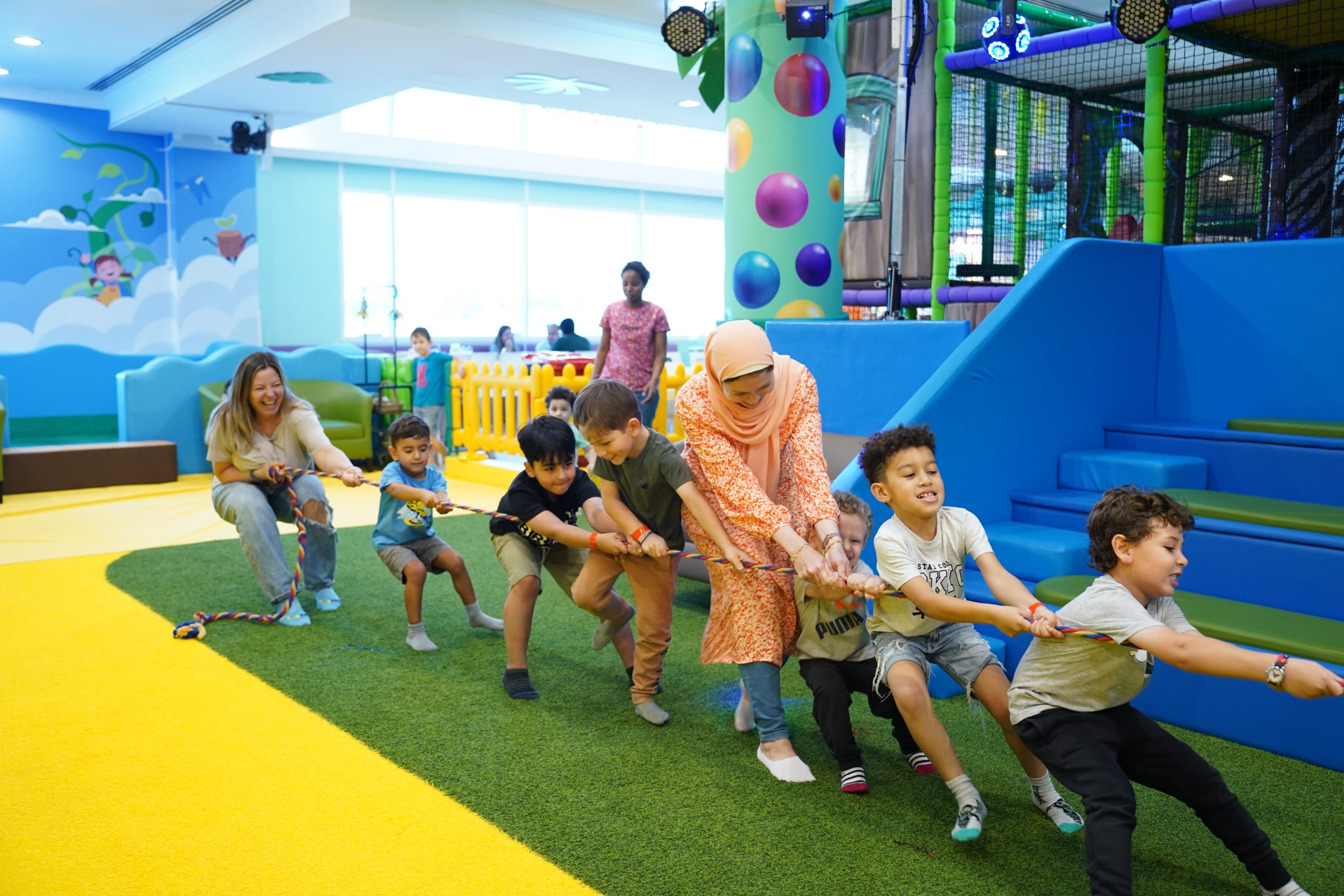
The ball pit may have lost its charm, but that does not mean your child has outgrown indoor play. Once kids reach school age, they often look for something more exciting, challenging, and active. They want to climb higher, move faster, compete with friends, and try things that make them feel capable. This is where the right indoor play area can make all the difference.
Not every play centre is designed for older children. Some focus mainly on toddlers, with small slides and soft blocks that may not hold the attention of an 8- or 12-year-old for long. The good news? Many indoor facilities now offer exciting activities that go far beyond traditional soft play.
Why Older Kids Still Need Indoor Play?
Older children need regular physical activity, and indoor play areas can give them a fun way to stay active. Running through obstacle courses, jumping on trampolines, or climbing walls helps them use their muscles, improve balance, and build endurance.
There is also a social side to indoor play. Many activities involve teamwork, friendly competition, or group challenges. Children learn to take turns, support friends, and handle both winning and losing.
The right facility can also give kids a chance to try something new without taking unnecessary risks. With suitable equipment, safety rules, and supervision, they can test their speed, strength, and coordination in a controlled setting.
1. Ninja Warrior Courses
Ninja warrior courses are a great option for children who enjoy physical challenges. These courses often include hanging bars, ropes, cargo nets, balance obstacles, and climbing sections.
Kids can work through different obstacles while improving their grip strength, agility, and coordination. Some centres also offer timed challenges, which add a fun competitive element.
Parents should check the age and height requirements before booking. Not every course is suitable for younger children, and some obstacles may require adult supervision.
2. Interactive Climbing Walls
Climbing walls are not limited to traditional climbing anymore. Some indoor facilities combine climbing with lights, digital games, and interactive challenges.
These activities encourage children to think about their next move while using their hands and feet to reach targets. Interactive climbing can support problem-solving, balance, and confidence.
For children who enjoy trying something different, these walls can be more engaging than standard play equipment. Look for centres with suitable climbing heights, safety harnesses, and trained staff.
3. Trampoline Parks
Trampoline parks offer plenty of movement for older kids. Depending on the venue, children may find connected trampolines, foam pits, dodgeball courts, and areas for practising jumps.
Jumping helps children stay active while working on coordination and balance. Dodgeball and group games also bring a social element to the experience.
Safety is important, especially when several children are using the same space. Check whether the facility separates activities by age or ability and follows clear safety rules.
Suggested: Things to Do with Toddlers in Dubai That Don’t Involve Screens
4. VR and Sports Simulators
Not every child wants to spend their free time climbing or jumping. Some prefer gaming, technology, and sports-based challenges. VR zones and sports simulators can offer a different kind of indoor entertainment.
These activities may include virtual sports, interactive gaming walls, or simulated athletic games. They encourage children to follow instructions, make quick decisions, and engage with friends.
For parents looking for indoor activities for kids 8–12, facilities that combine digital games with physical movement can be worth exploring. Choose age-appropriate experiences and check session lengths to ensure children get a healthy mix of screen-based and active play.
5. Adventure Ropes Courses
Adventure ropes courses bring a sense of excitement to indoor play. Children may walk across suspension bridges, balance on elevated platforms, or complete different rope obstacles.
These activities challenge balance, focus, and confidence. Kids have to think about their movements and work through obstacles at their own pace.
Since ropes courses can involve height, parents should check safety equipment, age limits, and supervision policies. A suitable course should match the child’s confidence and physical ability.
How to Choose the Right Play Area/
The best indoor play area depends on your child’s age, interests, and comfort level. Before visiting, consider the following:
- Age groups: Does the facility have dedicated areas for older children?
- Activities: Are there climbing walls, trampolines, obstacle courses, or gaming zones?
- Safety: Does the venue provide trained staff and well-maintained equipment?
- Space: Is there enough room for children to move freely without overcrowding?
- Interests: Does your child prefer sports, climbing, teamwork, or technology?
A venue designed with different age zones can help ensure that younger children and older kids have activities suited to their abilities.
Final Thoughts
Older kids do not necessarily need less play. They often need better challenges. A well-designed indoor play area can turn an ordinary outing into a chance to move, explore, compete, and build confidence.
So, the next time your child says, “There’s nothing to do,” look beyond the ball pit. The right climbing wall, trampoline park, or ninja course might be exactly the adventure they were looking for.
Comments are closed