


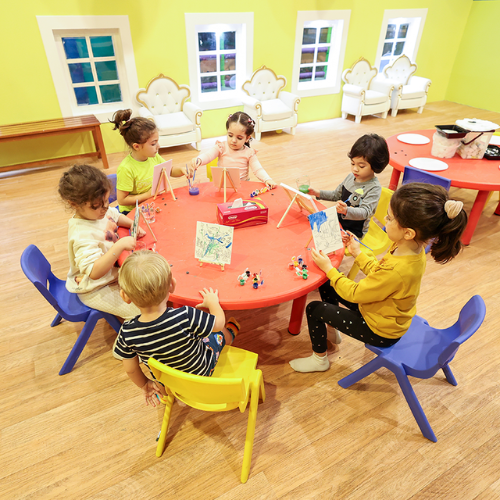
Some of the biggest lessons children learn happen on the floor, surrounded by toys, not at a desk. A small disagreement over a toy truck. A shy smile during group play. A child learning to wait instead of grabbing. These moments may look ordinary, but they shape how children connect with people for the rest of their lives.
Before the age of five, kids are quietly building social skills that guide how they talk, listen, share, and handle emotions. Play is where these skills grow fastest. It feels natural, safe, and familiar to children, which is why it works so well.
Why Do Early Social Skills Matter More Than We Think?
Social skills are not just about being polite. They help children feel confident, understood, and included. When kids learn these skills early, they adjust better to school, form stronger friendships, and manage emotions in healthier ways.
Children who develop social skills early often:
- Feel comfortable in group settings
- Handle frustration with fewer meltdowns
- Communicate their needs clearly
- Show care toward others
These abilities don’t come from correction or pressure. They come from everyday play and interaction.
The Social Skills Children Build Before Age Five
Sharing and taking turns
Play naturally teaches children that they can’t always go first. Simple games like passing a ball or building blocks together help kids learn patience and fairness over time.
Listening and paying attention
Games require listening, even without children realizing it. Following rules, waiting for cues, and responding during play strengthen focus and respect.
Talking about feelings
Play gives children words for emotions. When kids say “I’m upset” or “I need help” during play, they learn healthier ways to express feelings instead of reacting with anger or tears.
Empathy and kindness
When children notice a friend feeling sad or left out during play, they learn how to care. Offering comfort or sharing a toy builds emotional awareness.
Also Read
Following directions
Play often includes simple steps. Cleaning up before starting a new game or following instructions during group play builds self-control and listening skills.
Asking for help
Play teaches children that asking for help is normal. Whether it’s solving a puzzle or joining a group, children learn that support is part of learning.
Working with others
Team play encourages cooperation. Building something together or acting out a story teaches children how to work toward a shared goal.
Handling conflict calmly
Disagreements happen during play. Learning to talk instead of pushing helps children control anger and manage conflict without fear or aggression.
Using manners naturally
Polite words appear easily during play. Saying “please” and “thank you” becomes part of daily interaction, not a forced habit.
Understanding personal space
Play helps children learn boundaries. Knowing when to hug and when to step back builds comfort and trust with others.
Why Does Play Speed Up Social Learning?
Play allows children to practice social skills without pressure. There are no right or wrong answers. Kids repeat actions, test responses, and learn through experience. Pretend play helps children explore real-life situations. Storytelling and group games improve listening and empathy. Playdates give kids the chance to practice sharing and communication in real time.
Group experiences like Play Date Dubai expose children to different personalities and situations. These settings help kids adapt, speak up, and understand others while having fun.
When Do Children Need Extra Support?
Not all children develop social skills at the same pace. Some may feel shy or overwhelmed in group settings. Signs that a child may need support include avoiding interaction, frequent tantrums, or difficulty making friends. Parents can help by staying patient, encouraging play without pressure, and modeling calm behavior. Celebrating small progress matters. If concerns continue, guidance from an early childhood professional can help.
What Stays With Them?
Children may forget toys, games, or songs. But the way they learn to treat others stays with them. Play teaches children how to connect, express, and belong. These lessons shape how they move through the world, one small interaction at a time.
Comments are closed